
Recently, we have signed contracts with several large international clothing factories in Africa. Our company has dispatched teams to provide technical services to African customers, and at the same time, we have further investigated the African market. This has enabled us to further realize that the demand for automated sewing equipment in the African market is increasing day by day. The local African government also encourages enterprises to adopt advanced equipment to improve production efficiency. Enterprises also hope to replace their old equipment to handle larger and more orders, ensuring output while also improving quality. Their high-quality customers prefer to have orders processed in more modern factories. Therefore, the demand for automated sewing equipment in garment factories is increasing.
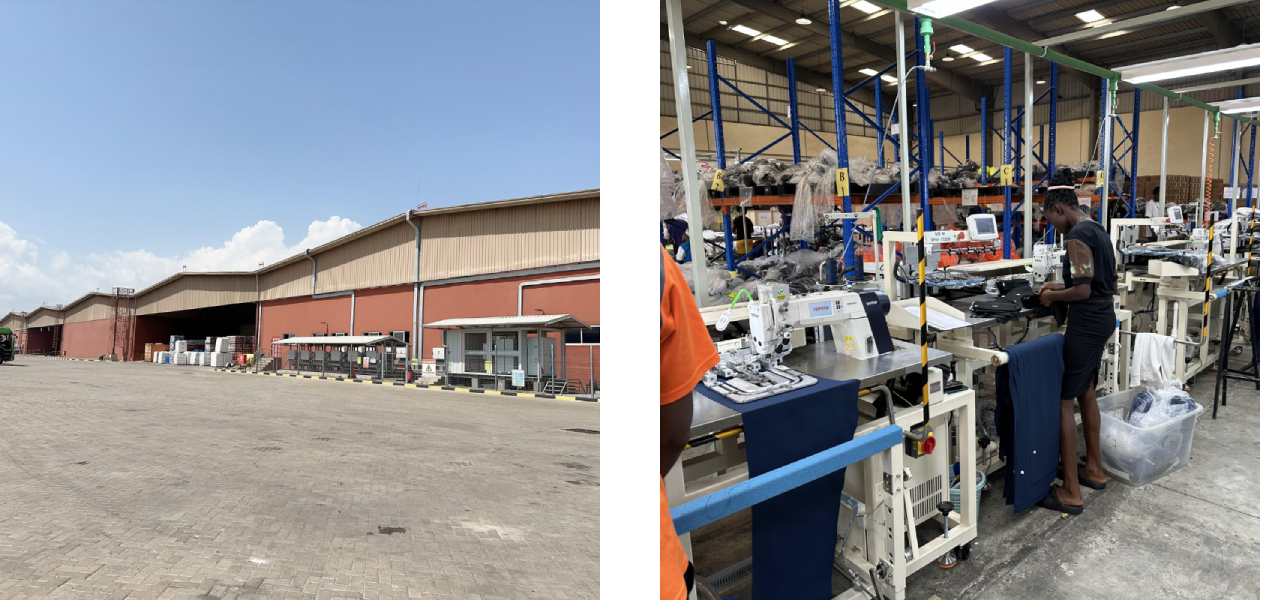
Analysis of the Demand Outlook for Automated Sewing Equipment in the African Market: An Emerging Hotspot with Both Opportunities and Challenges
In recent years, with the reconfiguration of the global supply chain and the rise of the African local economy, “African manufacturing” is experiencing a historic opportunity. As the core equipment for the upgrading of the textile and garment industry, the demand for automated sewing equipment in the African market is becoming increasingly broad, presenting great potential, but also facing unique challenges.
1, The positioning and capacity expansion requirements of the “Next Global Factory”:
Africa boasts a large young population and relatively low-cost labor, making it an ideal location for major global clothing brands to set up operations. To meet the strict demands of international orders for scale, efficiency, and delivery time, traditional manual or semi-automatic sewing is insufficient. The introduction of automated and semi-automated equipment to enhance production capacity and standardization levels becomes an inevitable choice.
2, Balancing labor cost advantage and skill bottleneck
Although the labor cost in Africa is relatively low, a mature workforce of skilled industrial workers has not yet been fully established. Training a proficient manual sewing worker takes a long time and there is high staff mobility. Automated equipment (such as automatic cutting machines, template sewing machines, automatic fabric laying machines, and various automated sewing equipment) can reduce the reliance on individual workers’ skills, achieve standardized operations for complex processes through programming, shorten the training period, and improve production stability. This is highly attractive for enterprises that aim to rapidly expand their production capacity.
3, Government policy support and industrialization strategy promotion
Many African countries have designated the textile and garment industry as a priority area for industrialization. For instance, Ethiopia, Kenya, Rwanda, Egypt, and other countries have established economic zones and industrial parks, offering tax exemptions, infrastructure guarantees, and other preferential policies to attract foreign investment. These parks have certain requirements for the technological level and equipment modernization of the enterprises that enter them, which indirectly promotes the purchase of automated equipment.
4, Upgrading of the local consumer market and demand for fast fashion
Africa has the youngest population structure in the world, with a rapid urbanization process and a growing middle class. There is a significant increase in the demand for fashionable and personalized clothing. Local brands and manufacturers, in order to compete with imported goods and respond to faster fashion trends, must enhance the flexibility and response speed of their production. Automated sewing equipment is the key to achieving flexible production with small batches, multiple varieties, and quick response to orders.
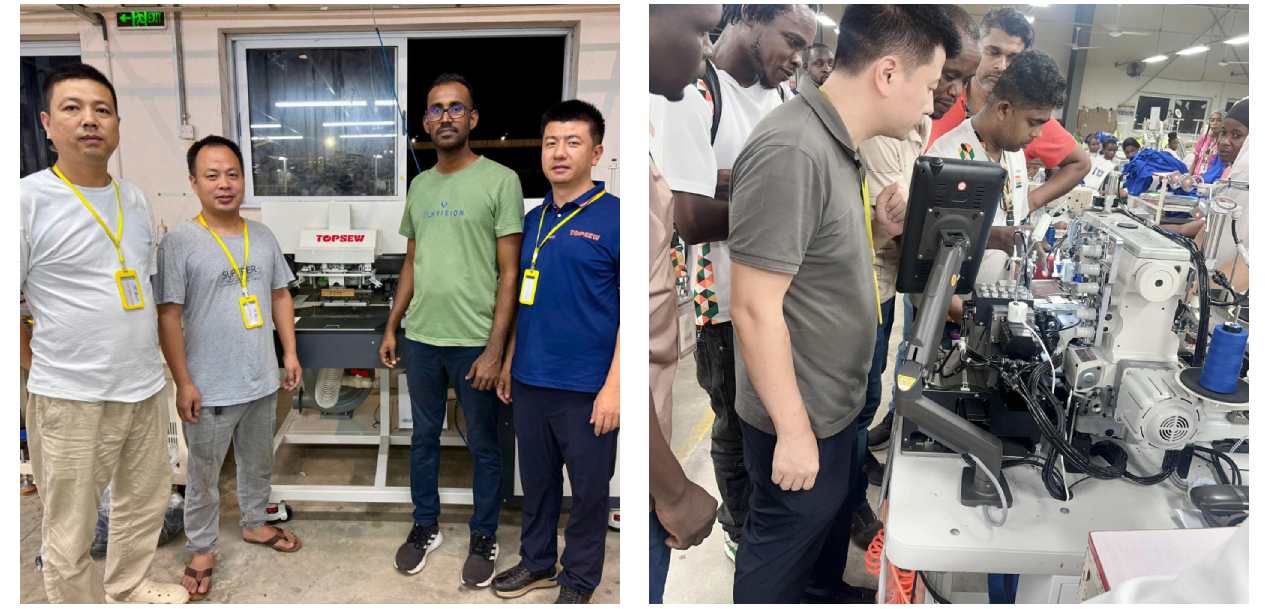
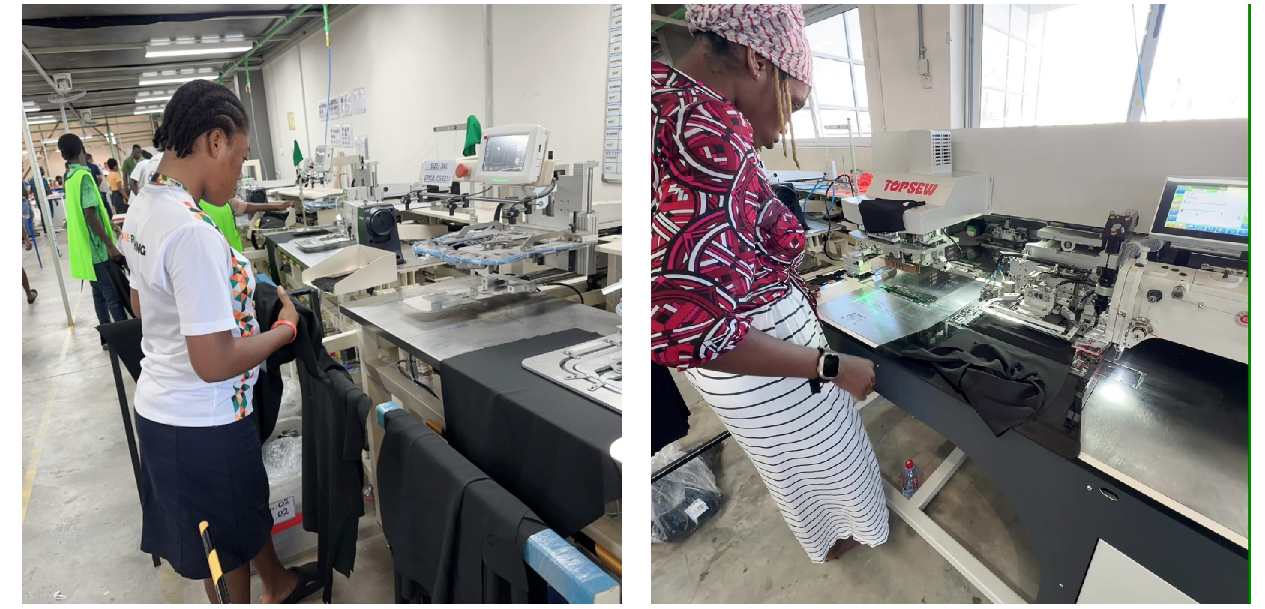
This time, we provided the client with over 50 sets of equipment, including pocket setting machine, pocket welting machine, bottom hemming machines, which significantly enhanced the production efficiency of the client and improved the modernization level of the factory. We also conducted a two-week training program for the client, during which their technicians made significant progress in their technical skills and were able to independently handle various problems. In the future, we will continue to provide various technical services and work together with them to steadily produce and achieve better results.
Despite the numerous challenges facing the African market, the fundamental drivers of demand—global industrial relocation, regional economic integration, demographic dividends, and consumption upgrades—remain strong and enduring. For visionary, patient, and localized suppliers of automated sewing equipment, Africa is undoubtedly a strategic emerging market brimming with opportunities, poised to become the next engine of global industry growth. The key to success lies in a deep understanding of the unique characteristics of the local market and providing products, services, and business models that match it.
Post time: Nov-11-2025